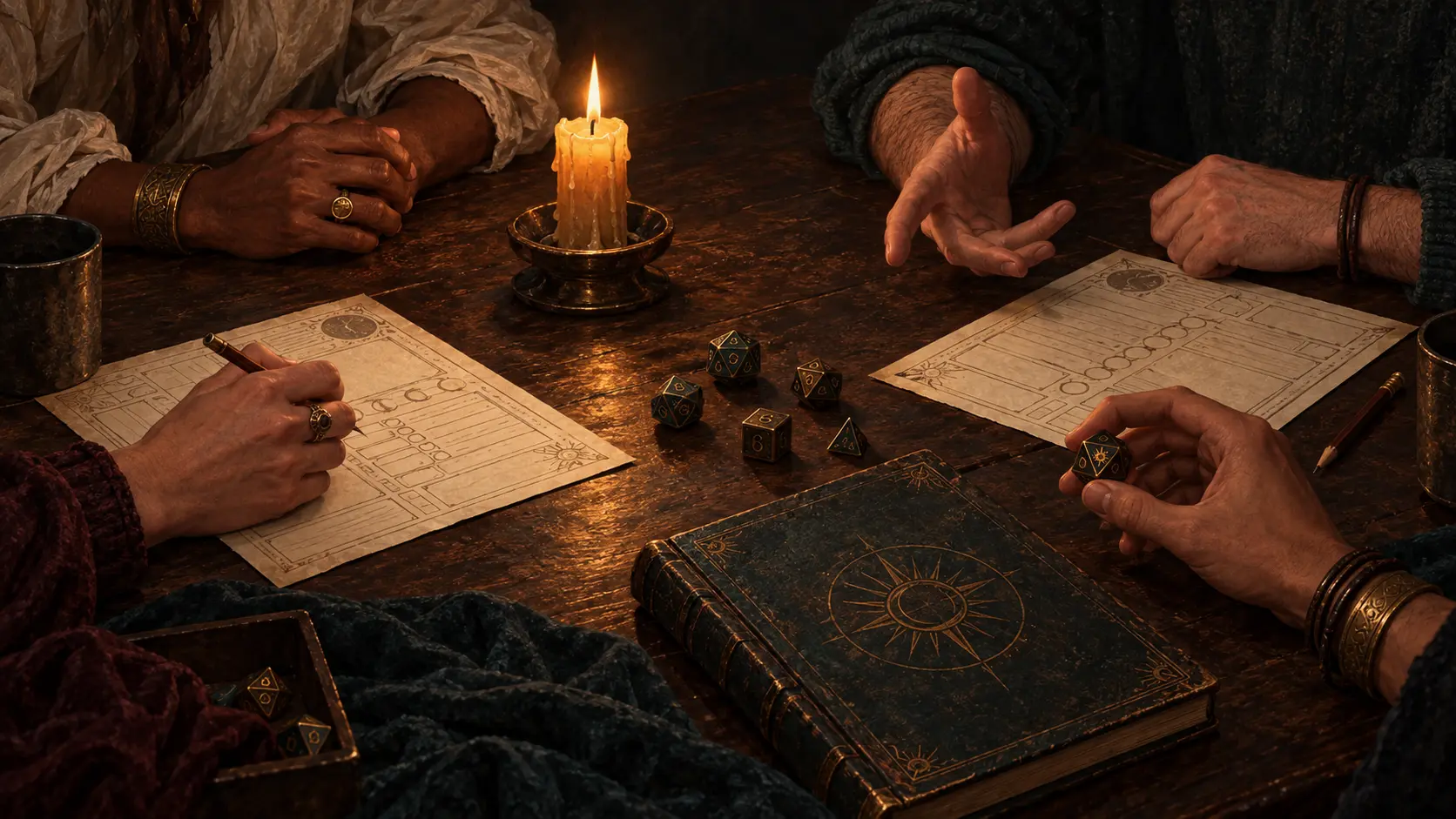
What actually is D&D?
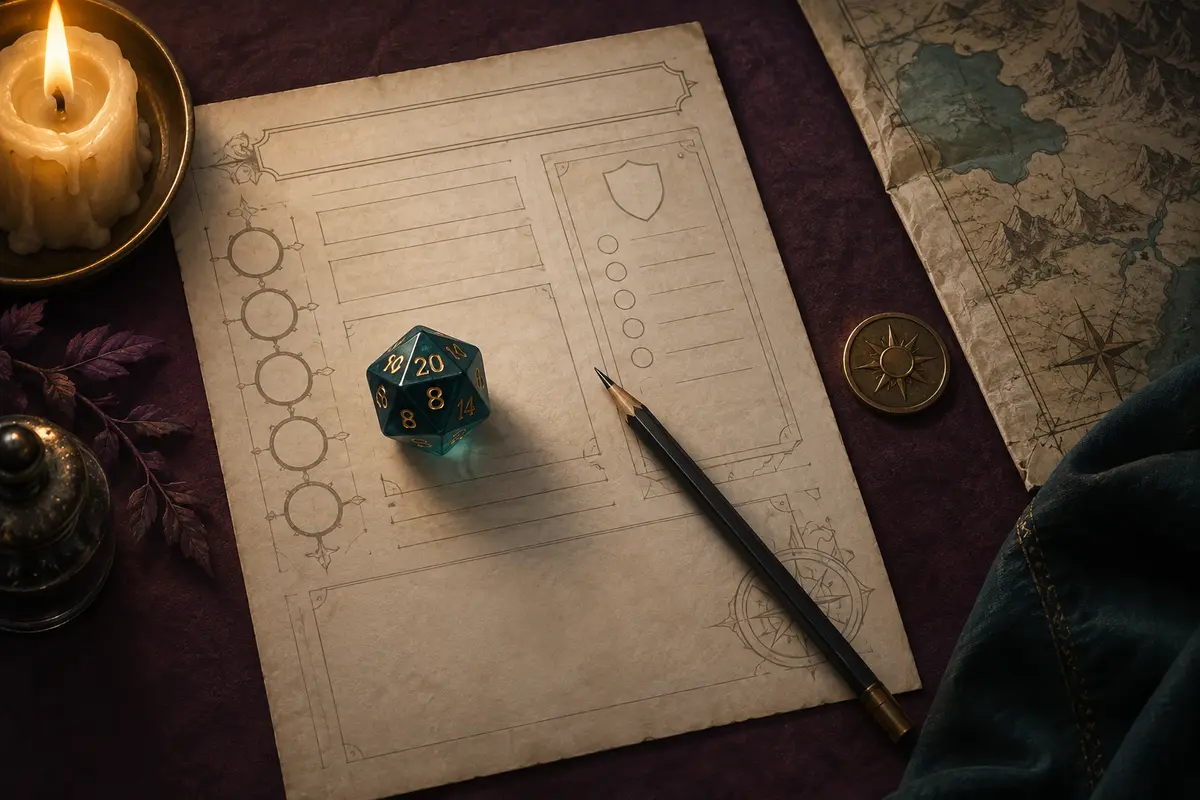
Maybe a friend promised you would love it, then handed you a character sheet with the confidence of someone passing over a takeaway menu. Or perhaps you finally made it to the table and discovered that wanting an adventure and understanding seventeen mysterious boxes are not quite the same thing. Either way, you are in the right place.
Dungeons & Dragons, usually shortened to D&D, is a game where a group of people create an adventure together. One person is the Dungeon Master, or DM. They describe the world, play its inhabitants and present the problems. Everyone else plays one character and decides what that character says, attempts and occasionally sets on fire.
There is no script and no single correct route. You say what you want to do. If the outcome is uncertain, the rules and the dice help decide what happens next. That is the heart of it. The intimidating books are mostly there to settle the details.
The DM describes
“There is an angry goblin in the doorway.” Useful information. Poor hospitality.
You decide
Talk to it, fight it, distract it or attempt something nobody sensible predicted.
The dice settle doubt
A roll helps decide whether your excellent idea becomes heroism, chaos or both.
From a tabletop in 1974 to a worldwide phenomenon
First published in 1974, Dungeons & Dragons escaped the rulebooks and spread into novels, games, livestreams, film and television. More importantly, people now play it around kitchen tables, in clubs and online across the world.
What do you need from the table?
One table started it. Every beginner is invited.
This guide began at one D&D table. Elaine was the beginner, Kin was her tiefling bard and Chris was the Dungeon Master turning chaos into a campaign. Their adventures appear throughout as real examples, but everything here is designed for any beginner, any character and any DM.
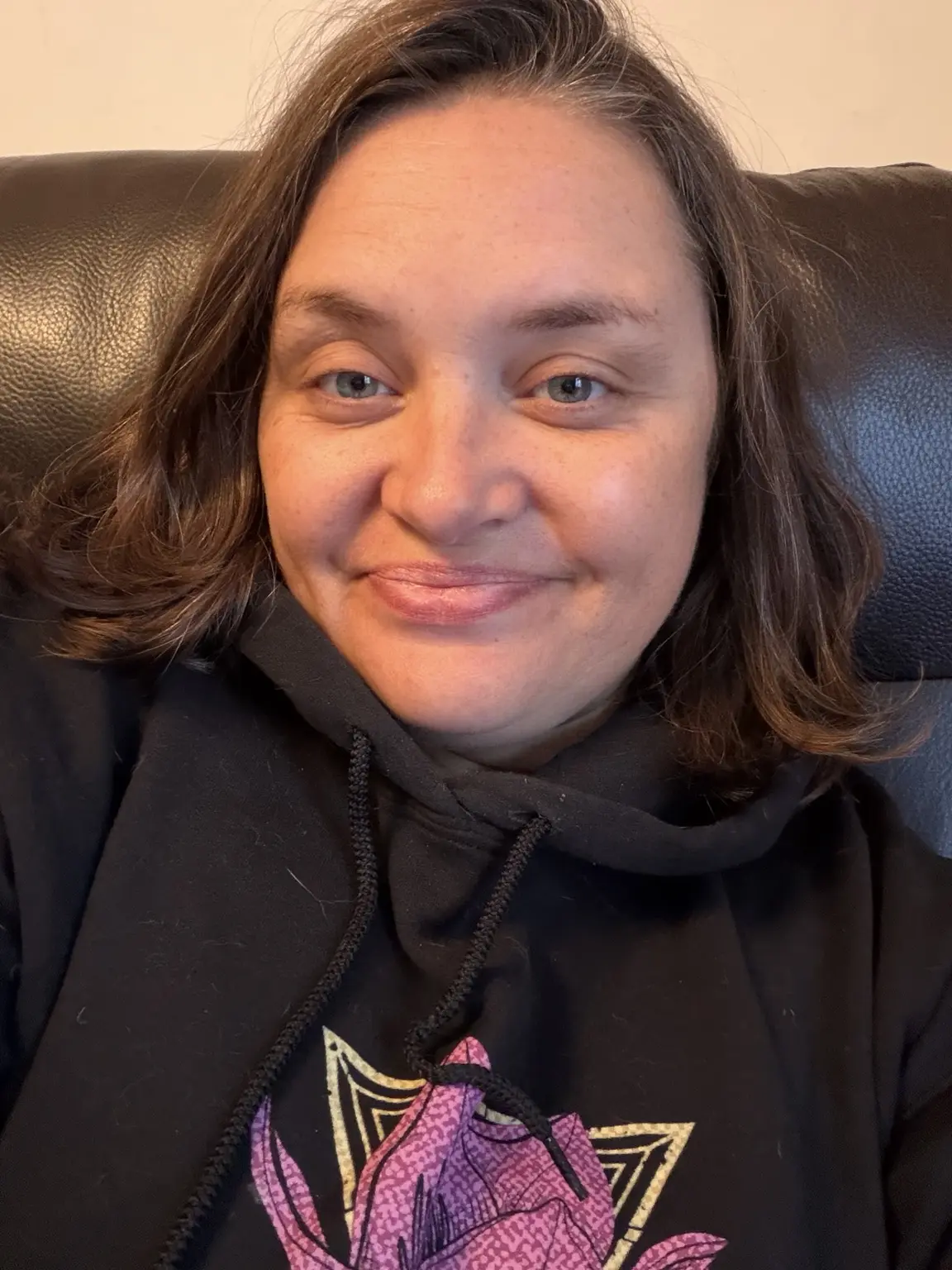
Elaine
Asked the questions that experienced players forget beginners need answered. Usually while somebody was waiting for her to take a turn.
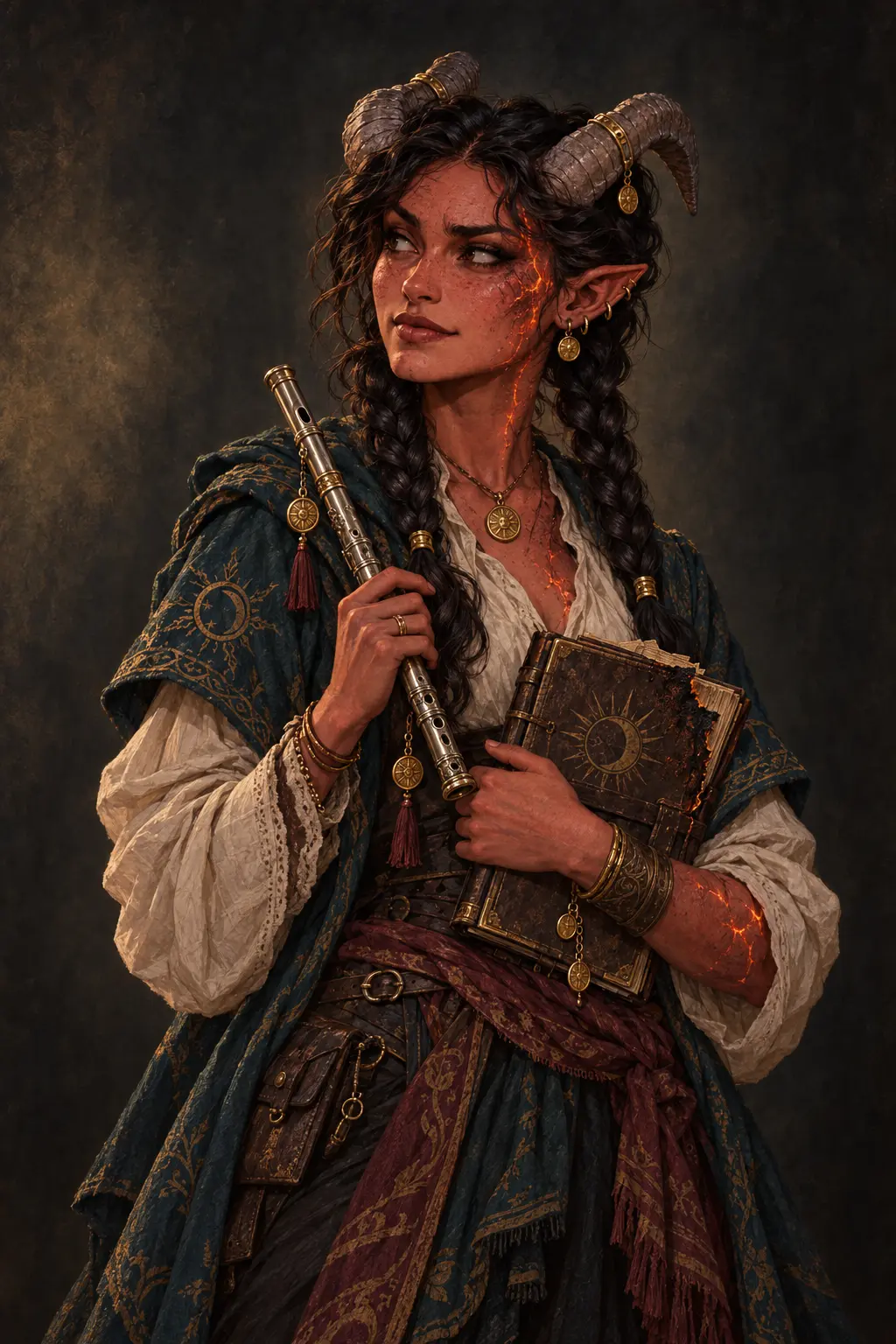
Kin
Elaine’s charming, impulsive tiefling bard and occasional cause of the emergency. Kin Mode uses her as a worked example.
Chris
Runs Kin’s campaign and inspired many of the examples. At your table, your own DM’s ruling is the one that counts.